“Everyone can learn, just not on the same day, or in the same way”
Who it is for…
Our Post-16 Programme is designed to support young people as they transition into adulthood, further education, or employment. We recognise that not all learners thrive in traditional classroom environments, so we provide an alternative pathway where learning is practical, engaging, and directly linked to real-life skills..
What we offer…
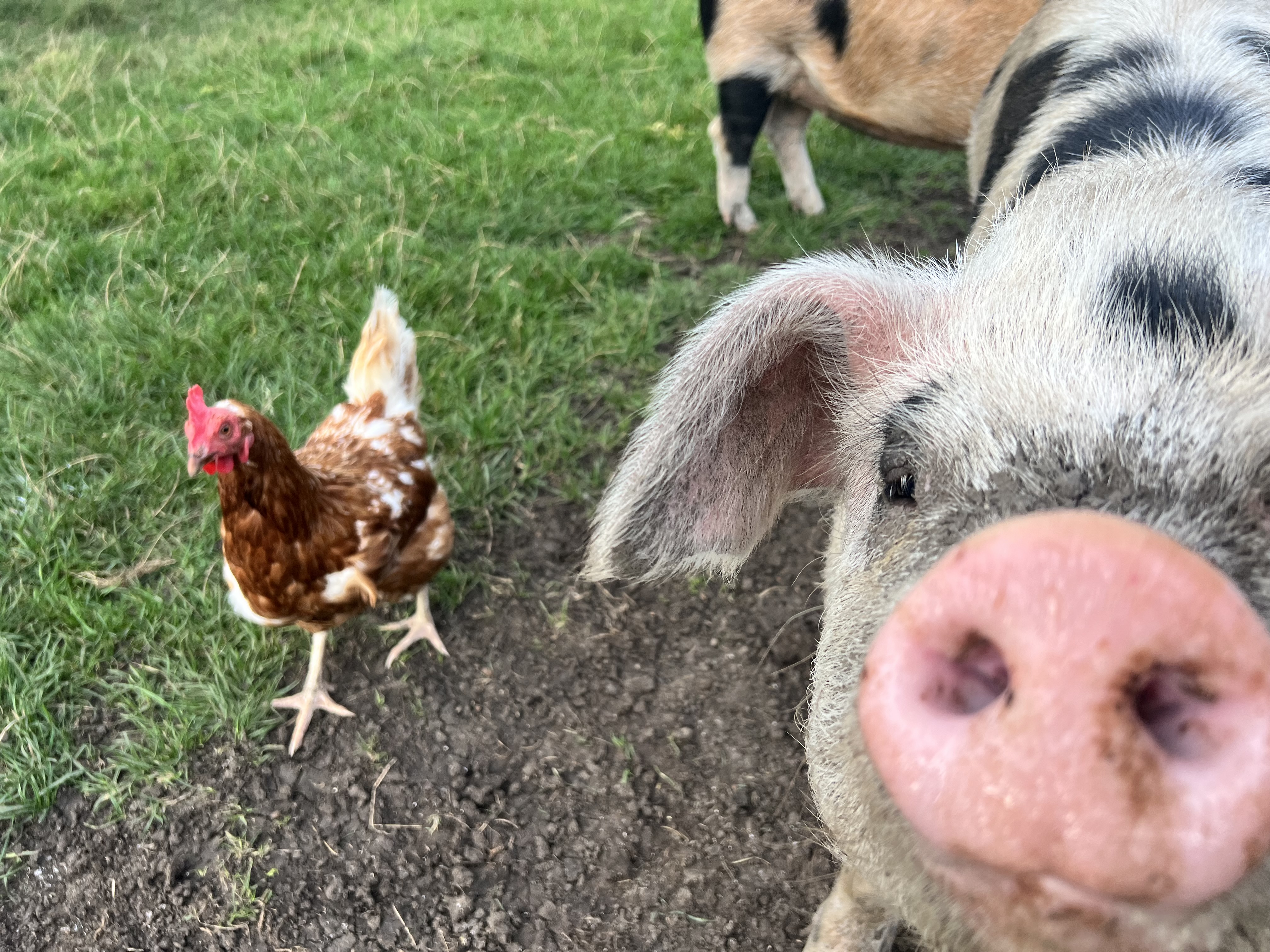
- Haddon Training Level 1 Animal Care – develop responsibility, empathy, and vocational skills through hands-on work with a range of animals.
- Haddon Training Level 1 Horse Care – learn stable management, riding support, and equine wellbeing, encouraging discipline and teamwork.
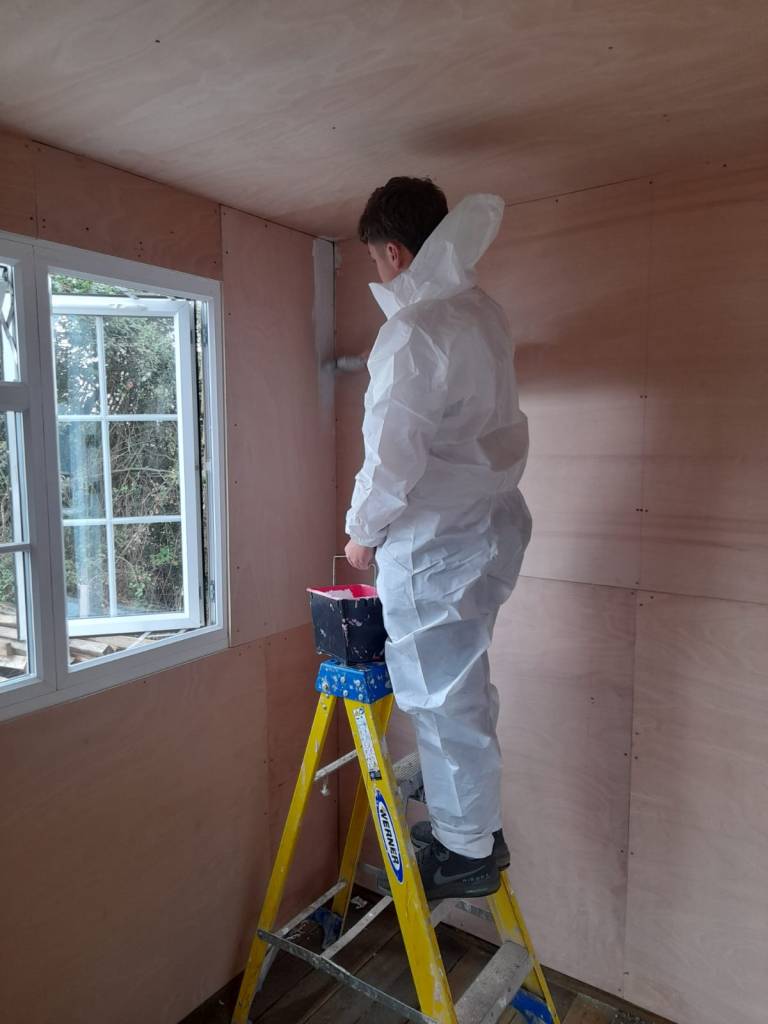
- ASDAN Construction & Practical Skills – gain confidence in using tools, building projects, and learning transferable trade skills
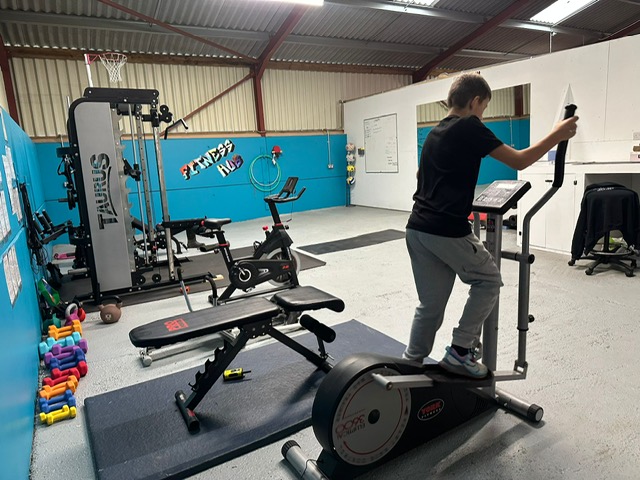
Alongside this, we also deliver targeted support in Preparing for Adulthood (PFA) and Employability Skills, helping young people to gain valuable knowledge and transferable skills for their future education, employment, and independence.
Academic Support:
Alongside practical learning, young people have access to English and Maths tutoring in order to achieve Level 1 and 2 Functional Skills, ensuring they continue to progress in core subjects while developing life and employability skills.
Pathways Beyond Stablemates:
Our goal is to prepare students for the next stage of their journey. This may include:
- Further education and training
- Apprenticeships
- Employment opportunities
Information for Referrers
The Stablemates Post-16 Programme offers group sessions that allow young people to learn in a practical, farm-based environment. Our approach mirrors the goals of mainstream education while providing the flexibility, encouragement, and support needed to help students reintegrate into education, prepare for further training, or move forward into a positive future.
Initial Meeting
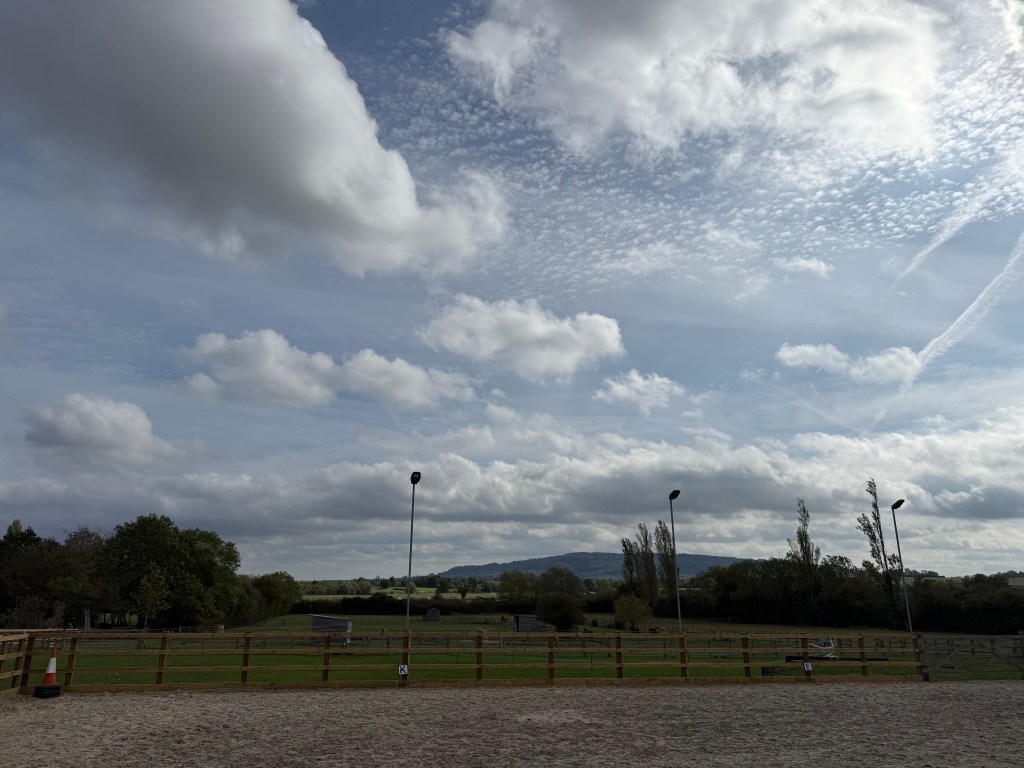
Every referral begins with a face to face meeting, where the young person is welcomed to Stablemates and introduced to the team members connected to the subject area, they are most interested in. This first visit gives them the opportunity to explore the environment, meet staff, and experience the variety of learning opportunities available.
Using a restorative approach, we spend time listening to the young person’s perspective on their current situation and exploring together how things could improve. Above all, we make sure they feel comfortable, valued, and excited about the possibilities ahead.
 Stablemates